Books To Help Explain Tough Topics To Kids
18 age-appropriate books to explain difficult things to kids, recommended by a child development specialist and grief counsellor.

When a child is facing a hard truth—whether it’s death, grief, family separation, divorce or the loss of a loved one to incarceration—finding the right words can feel overwhelming for parents, too. Age-appropriate books can help open those conversations gently, giving kids and teens language for big feelings and support as they make sense of loss. Below, child development specialist and grief expert Dr. Korie Leigh (author of the upcoming book When Everything Changes: Parenting Through Loss and Grief, out March 31) suggests titles that help explain these topics to kids of all ages, from toddler to teen.
Death and grief
One of the most common grief experiences for families is the death of someone special in their lives—a parent, sibling, relative, friend, neighbor, or pet. Explaining death to your child may be a stressful conversation for you. You may be struggling to make sense of death yourself, and yet you must also help your child understand this complicated topic. If you’re feeling uncomfortable talking about death with your child or you’re struggling to find the words, know that this is common. Most parents feel some discomfort, and that is okay.
The following books can help your child or teen understand death and cope with grief:
Age 2–6: When Someone You Love Has Died by Stephanie Seidler, illustrated by Berk Öztürk
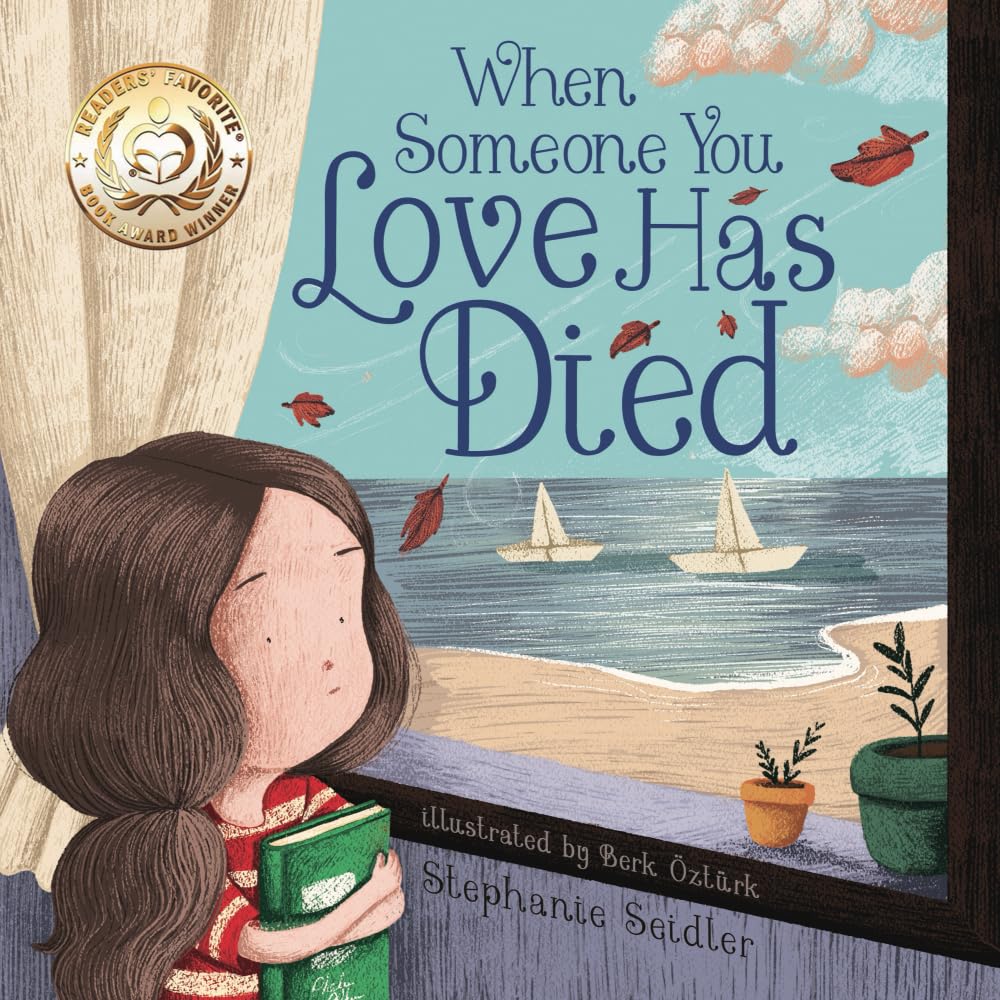
Publisher's description: Written in rhyme, and using real language to describe real events, When Someone You Love Has Died is a secular children's picture book that gently walks children through a traditional experience they may encounter after the death of a loved one.
When Someone You Love Has Died validates your child's observations and feelings, while also providing strategies to support their ability to cope and to grieve. At the end of the book is a special "Note to Parents" section that helps guide caregivers through these difficult conversations and experiences they may face with their child after a loved one has died.
Age 3–5: I Miss You: A First Look at Death by Pat Thomas, illustrated by Lesley Harker
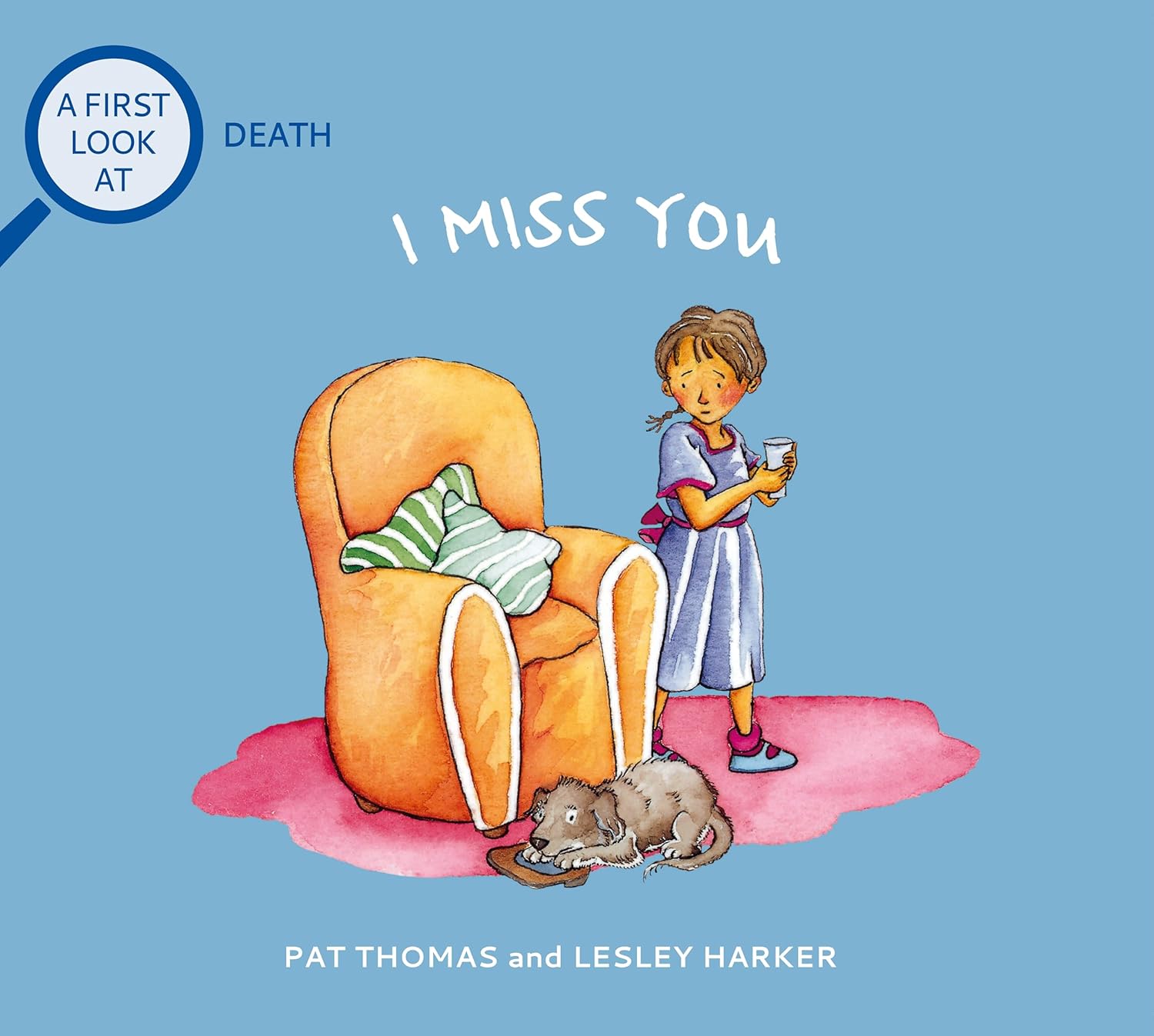
Publisher's description: When a close friend or family member dies, it can be difficult for kids to express their feelings. This book will help them understand that death is a natural complement to life, and that grief and a sense of loss are normal feelings for them to have following a loved one's death.
Age 3–5: What Does Grief Feel Like? by Korie Leigh, illustrated by Mike Malbrough
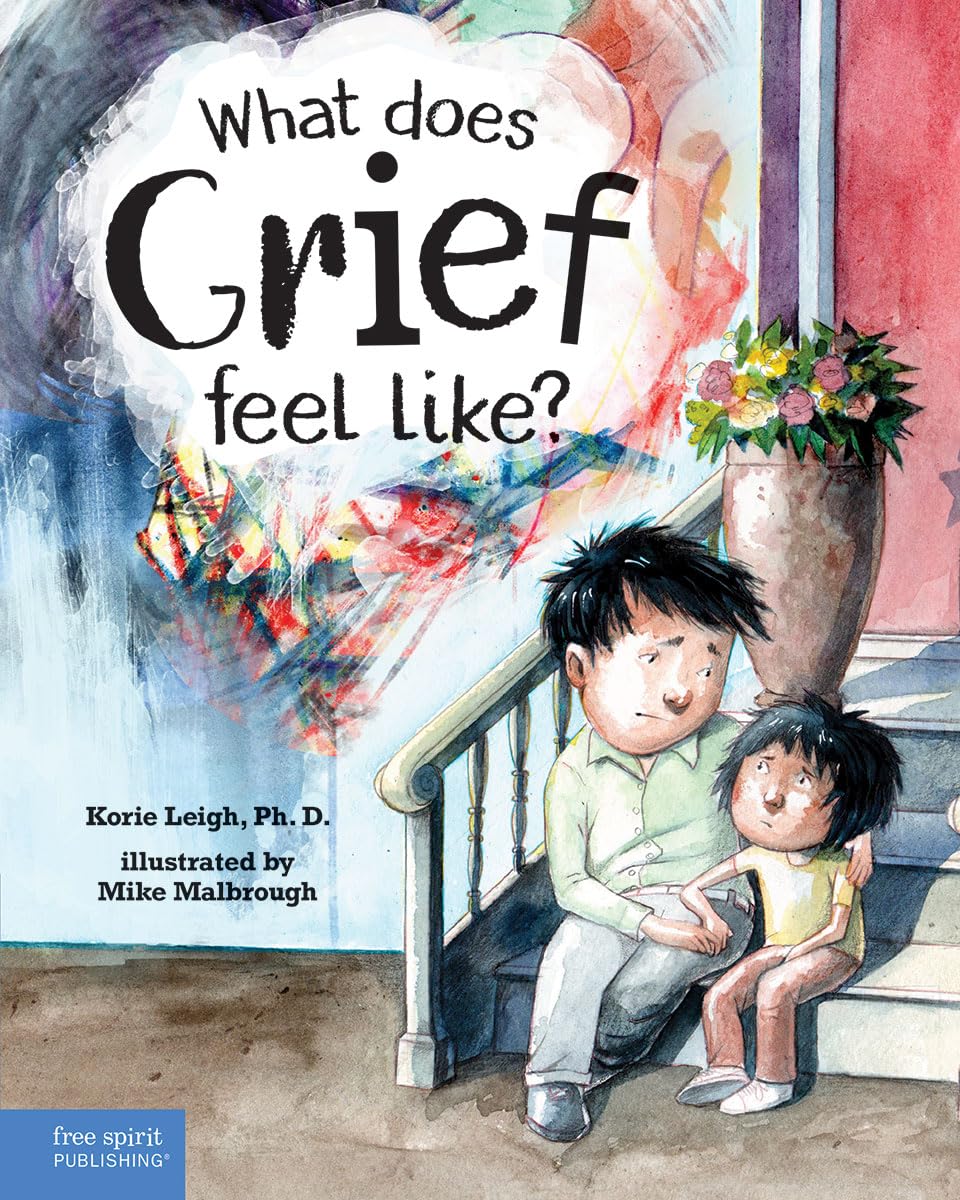
Publisher's description: Gentle and reassuring, What Does Grief Feel Like? shares the many ways people can grieve when a loved one dies and validates children’s unique grief experiences. Open-ended questions throughout the book invite children to share what they are thinking, feeling, and going through:
- What did you feel after your special person died?
- What happens when your grief gets too big?
- What do you do in your family and community to help your grief?
Ages 4–10: When Someone Dies: A Children’s Mindful How-To Guide on Grief and Loss by Andrea Dorn
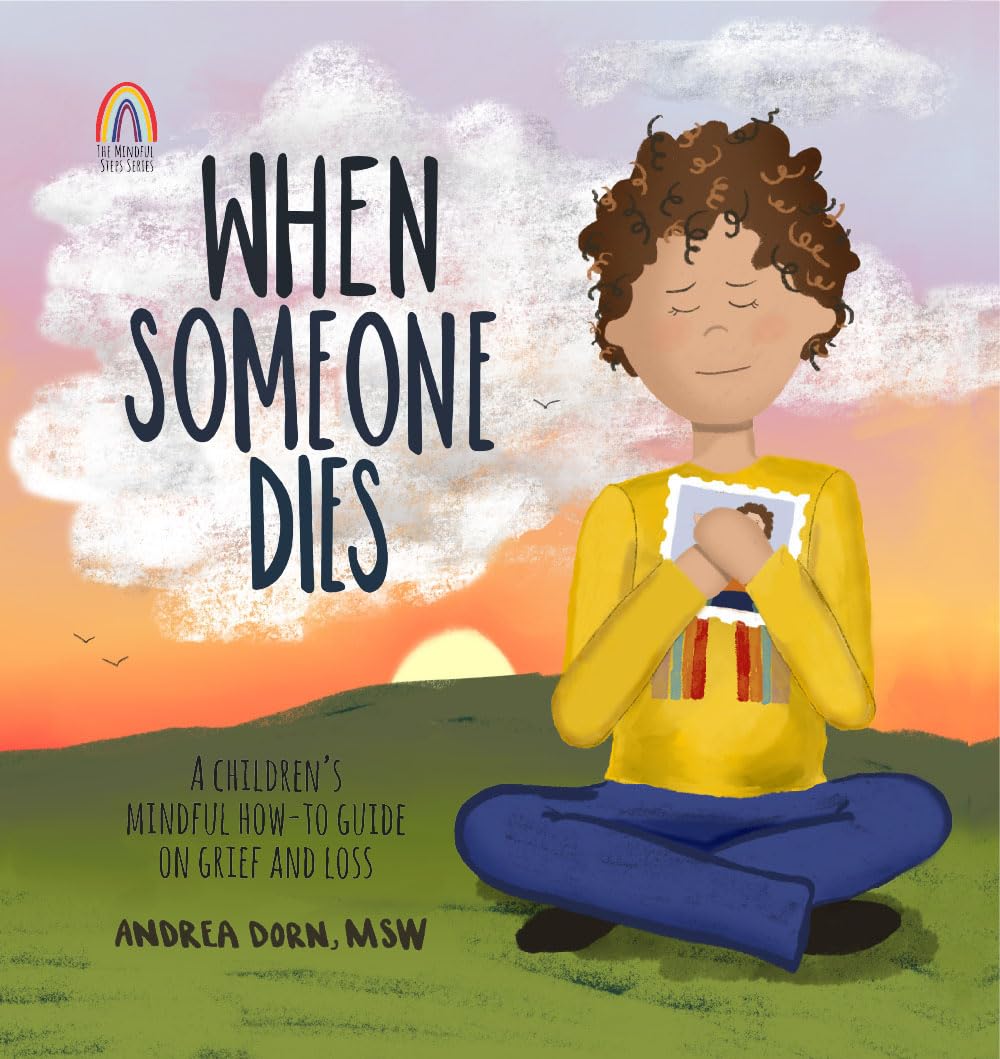
Publisher's description: Written and illustrated by a therapist (and mother), Andrea Dorn, MSW, When Someone Dies walks children through the bereavement process in a simple, concrete, and developmentally appropriate way. Through the lens of mindfulness, children will learn how to say goodbye, make space for any emotions that arise, and work through their grief.
Age 11–17: It Won’t Ever Be the Same by Korie Leigh
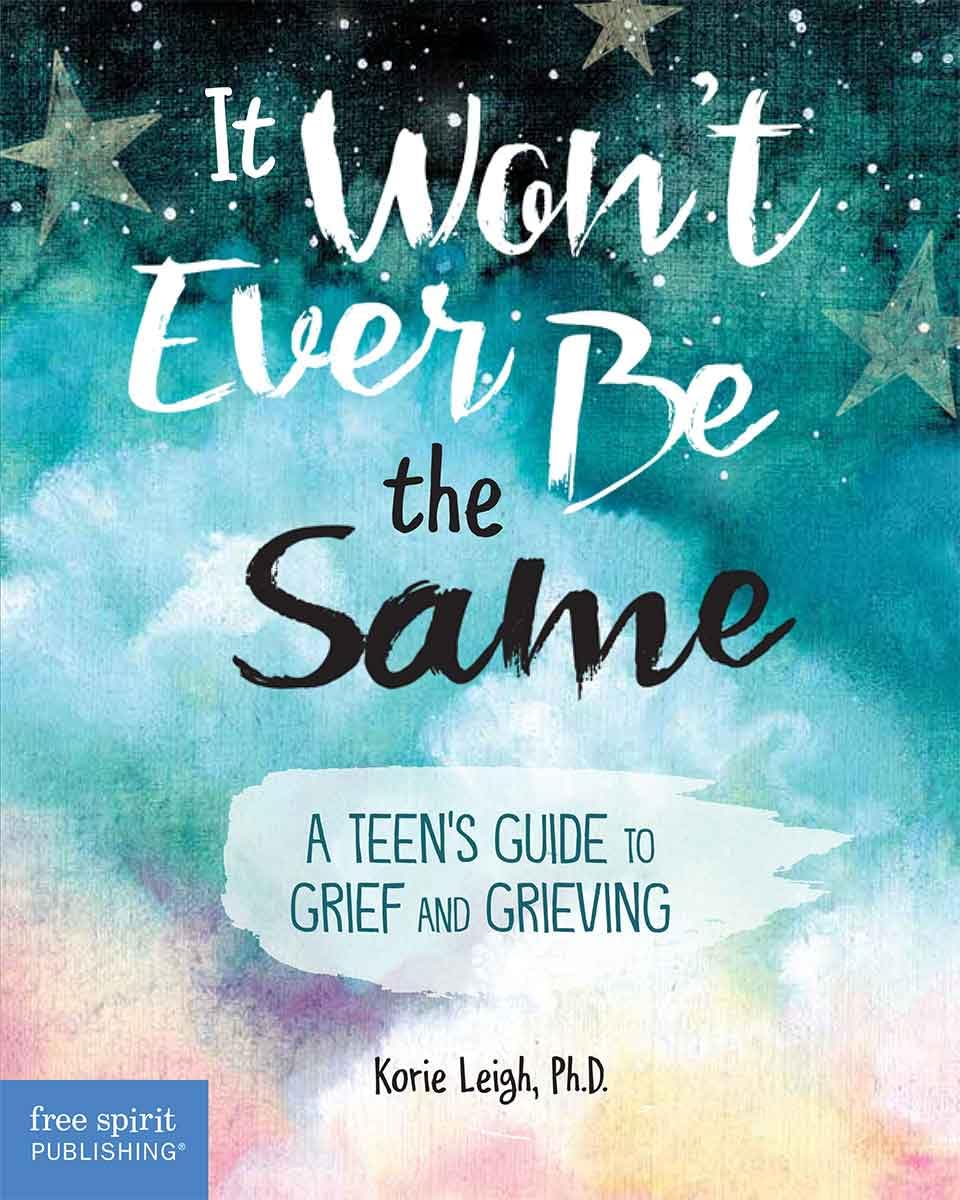
Publisher's description: It Won't Ever Be the Same is a validating and reassuring book that speaks directly to teens experiencing grief, providing them with tools to understand, express, and cope. Written by grief counselor Dr. Korie Leigh, the book touches upon big milestones in the grief journey, starting with new grief and continuing through the days, weeks, months, and years after. Each chapter ends with a Give It a Try activity idea to help teens build an understanding of what they're going through. Other moments throughout invite teens to reflect on a specific question or experience, tune in to what they're feeling, or try out a new way of viewing or being in their grief.
Age 11–17: When a Friend Dies: A Book for Teens About Grieving and Healing by Marilyn E. Gootman
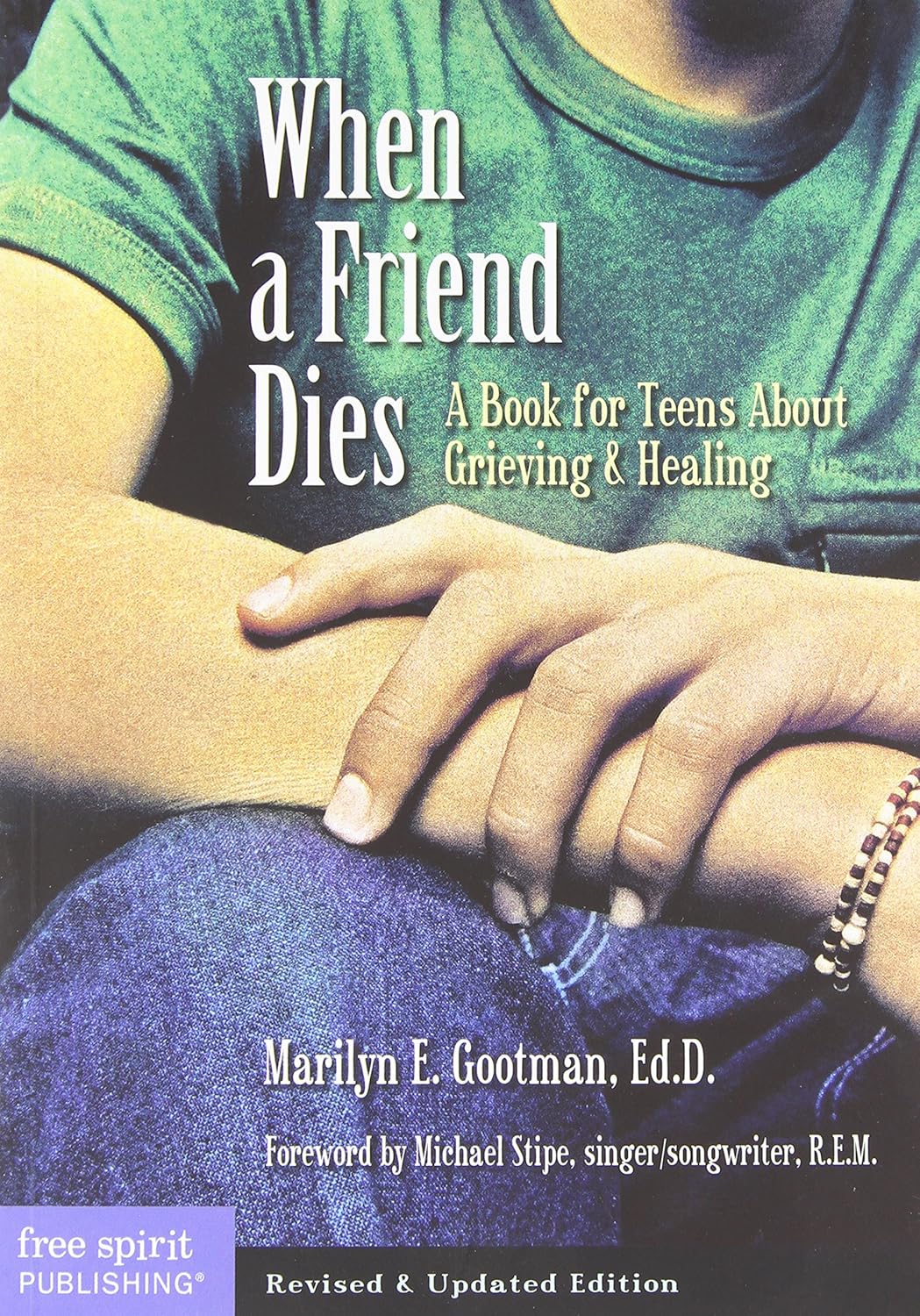
Publisher's description: The death of a friend is a wrenching event for anyone at any age and can spark feelings that range from sadness to guilt to anxiety. Teenagers especially need help coping with grief and loss. This sensitive book answers questions grieving teens often have, like ''How should I be acting?'' ''How long will this last?'' and ''What if I can't handle my grief on my own?'' The book also addresses the complicated emotions that can accompany the death of an acquaintance, as opposed to a close friend. The book also features updated resources and recommended reading, including information on suicide hotlines and other support for anyone in crisis.
Pregnancy/infant loss
Pregnancy loss and infant death are uniquely challenging. Not only are you grieving the loss, but you also have the difficult task of helping your older child understand an abstract situation. If you have experienced a miscarriage, termination for medical reasons, stillbirth, or infant death, be gentle with yourself as you help your child understand what has happened.
You can also read books to help your child understand this unique loss, such as the following:
Age 3–7: Forever Connected by Jessica Correnti, illustrated by Cate Maskell
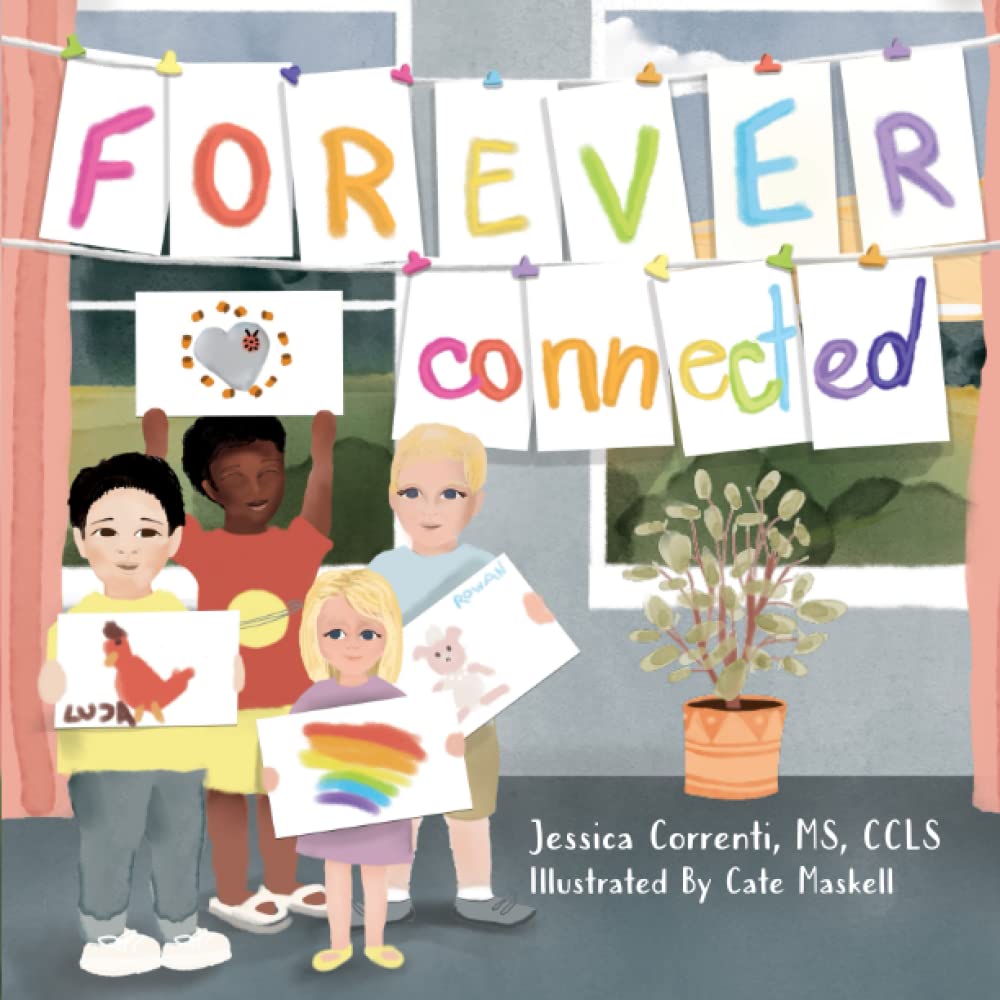
Publisher's description: How do you explain to a bereaved sibling that their brother or sister will never be physically present again, but they will always be connected?
In Forever Connected, four children experience the death of a sibling. Through beautiful and gentle dialogue, their caregivers help to unravel common misconceptions about death, while exploring the complex ideas of loss and connection.
Age 3–9: There Was a Baby . . . by Laura Camerona

Publisher's description: This book is for children whose family experiences a miscarriage, stillbirth, or infant death. The book gives families words to support feelings that a child may have and to move forward as a family unit. The book includes tips for caregivers, illustrations that represent all families, and simple words that help all children understand.
Age 4–9: Something Happened: A Book for Children and Parents Who Have Experienced Pregnancy Loss by Cathy Blanford, illustrated by Phyllis Childers
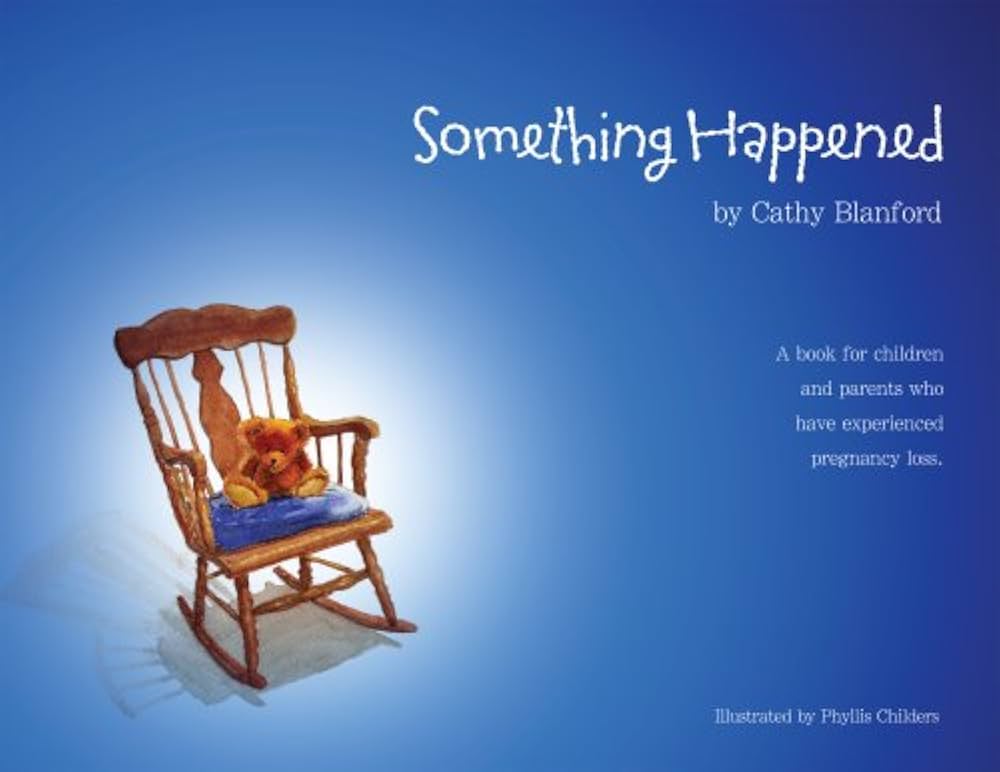
Publisher's description: This book addresses the sadness that a child experiences when the anticipated baby has died. The child's fears and feelings of guilt are addressed as well as other confusing feelings. Perhaps most important, the book includes the family's experience of going on with life while always remembering their baby. The child reading the book is left with a sense of reassurance that life continues and he is still a vital part of a loving family.
Death of a pet
Often, a child’s first experience with death happens when a pet dies. This can be a powerful teachable moment. If your family’s pet has died, you can use this experience to strengthen your child’s understanding of death and to help your child build coping skills and resilience that will serve them well when future deaths happen.
The following books can help your child understand pet death and cope with their grief:
Age 3–6: I Miss My Pet: A First Look at When a Pet Dies by Pat Thomas, illustrated by Lesley Harker
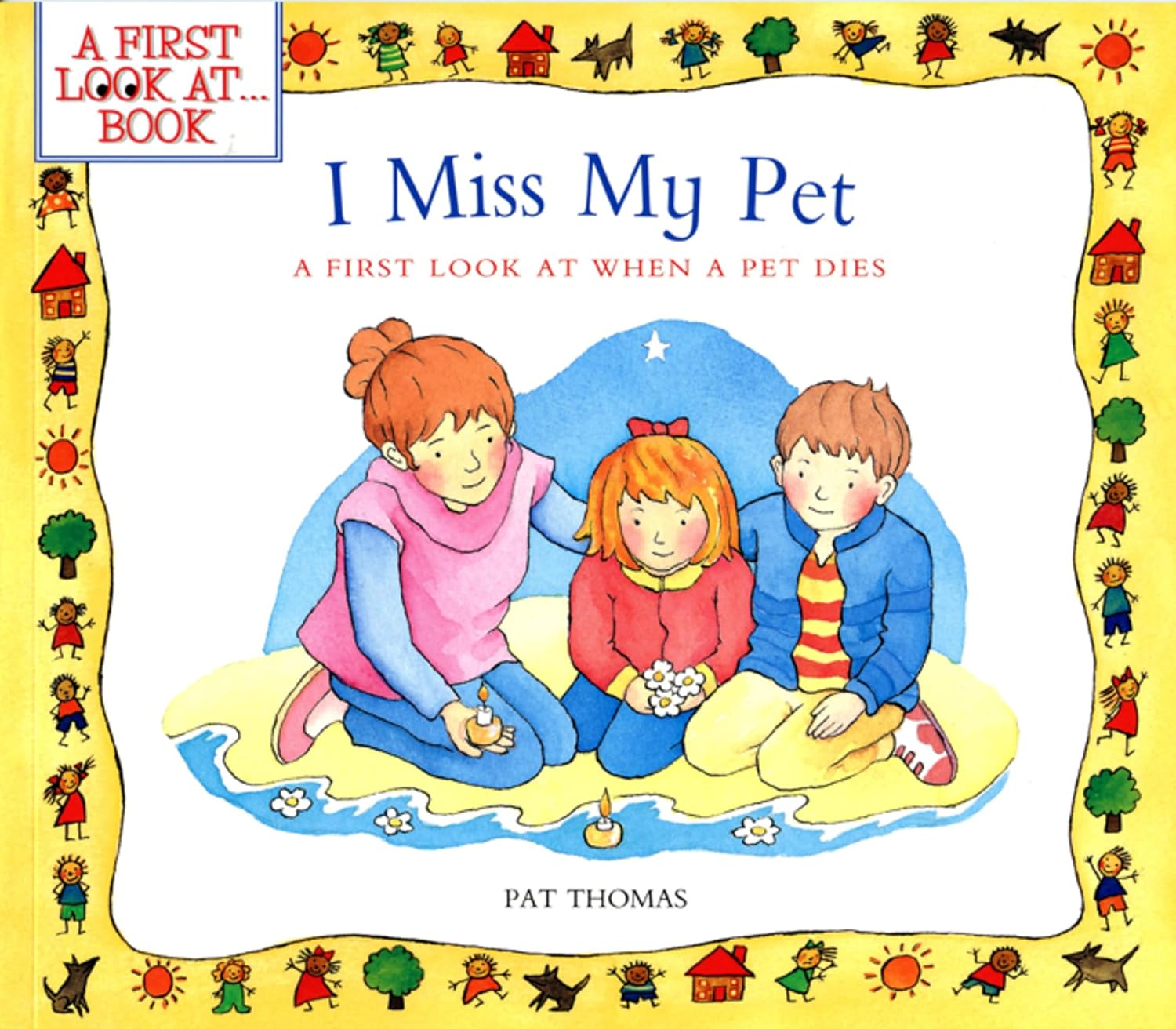
Publisher's description: For many children, a pet is a beloved friend and family member, and losing them can be deeply upsetting. I Miss My Pet: A First Look at When a Pet Dies uses clear, age-appropriate language and warm, inclusive illustrations to help young readers understand what it means when a pet dies. Written by child psychotherapist Pat Thomas, this compassionate book reassures children that all feelings—sadness, anger, confusion—are normal, and that remembering a pet can be part of healing.
Age 3–8: The Invisible Leash: An Invisible String Story About the Loss of a Pet by Patrice Karst, illustrated by Joanne Lew-Vriethoff
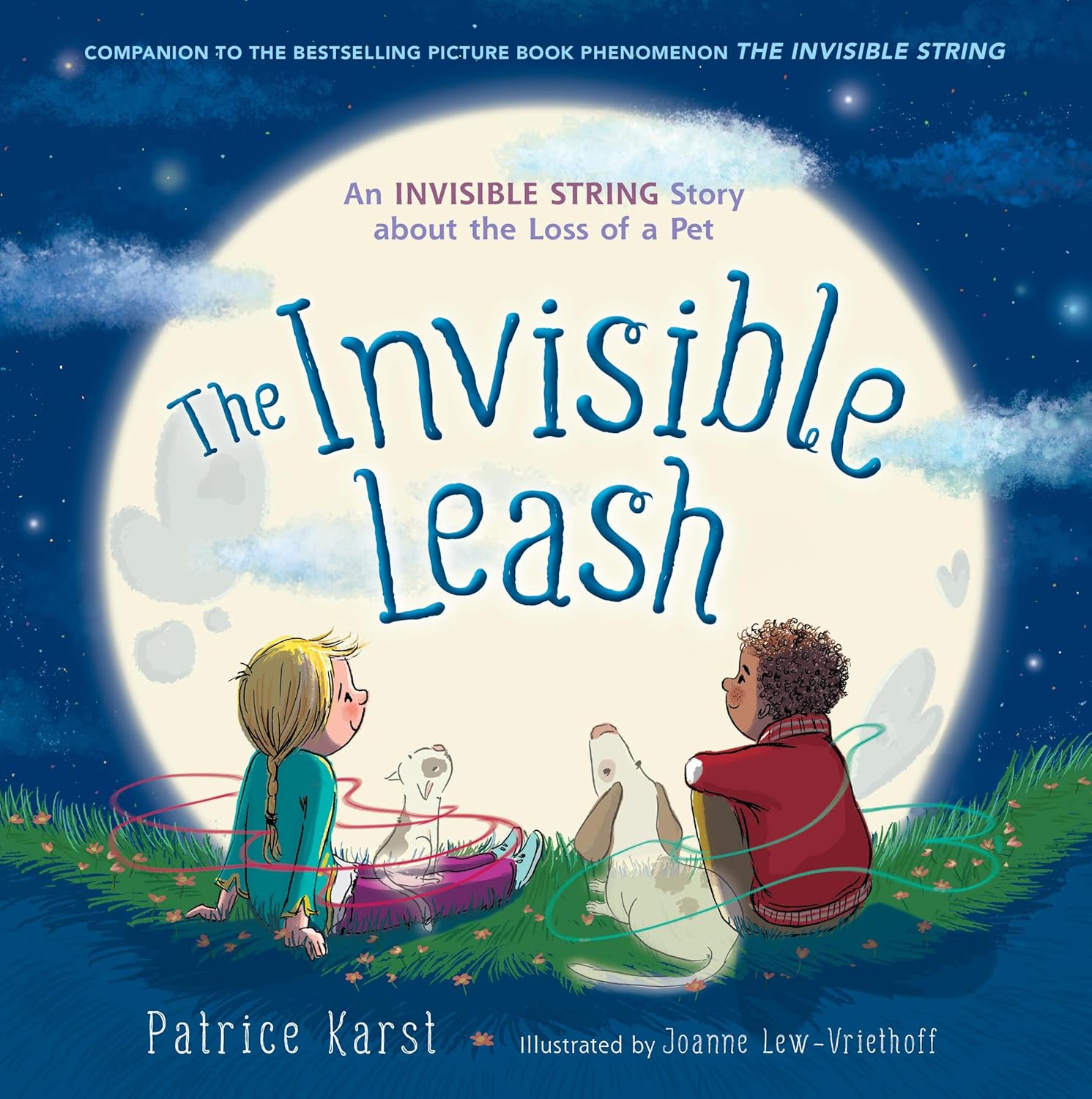
Publisher's description:"When our pets aren't with us anymore, an Invisible Leash connects our hearts to each other. Forever." That's what Zack's friend Emily tells him after his dog dies. Zack doesn't believe it. He only believes in what he can see. But on an enlightening journey through their neighborhood—and through his grief—he comes to feel the comforting tug of the Invisible Leash. And it feels like love.
Accompanied by tender, uplifting art by Joanne Lew-Vriethoff, bestselling author Patrice Karst's gentle story uses the same bonding technique from her classic book The Invisible String to help readers through the experience of the loss of a beloved animal.
Age 7–11: The End of Something Wonderful: A Practical Guide to a Backyard Funeral by Stephanie V. W. Lucianovic, illustrated by George Ermos
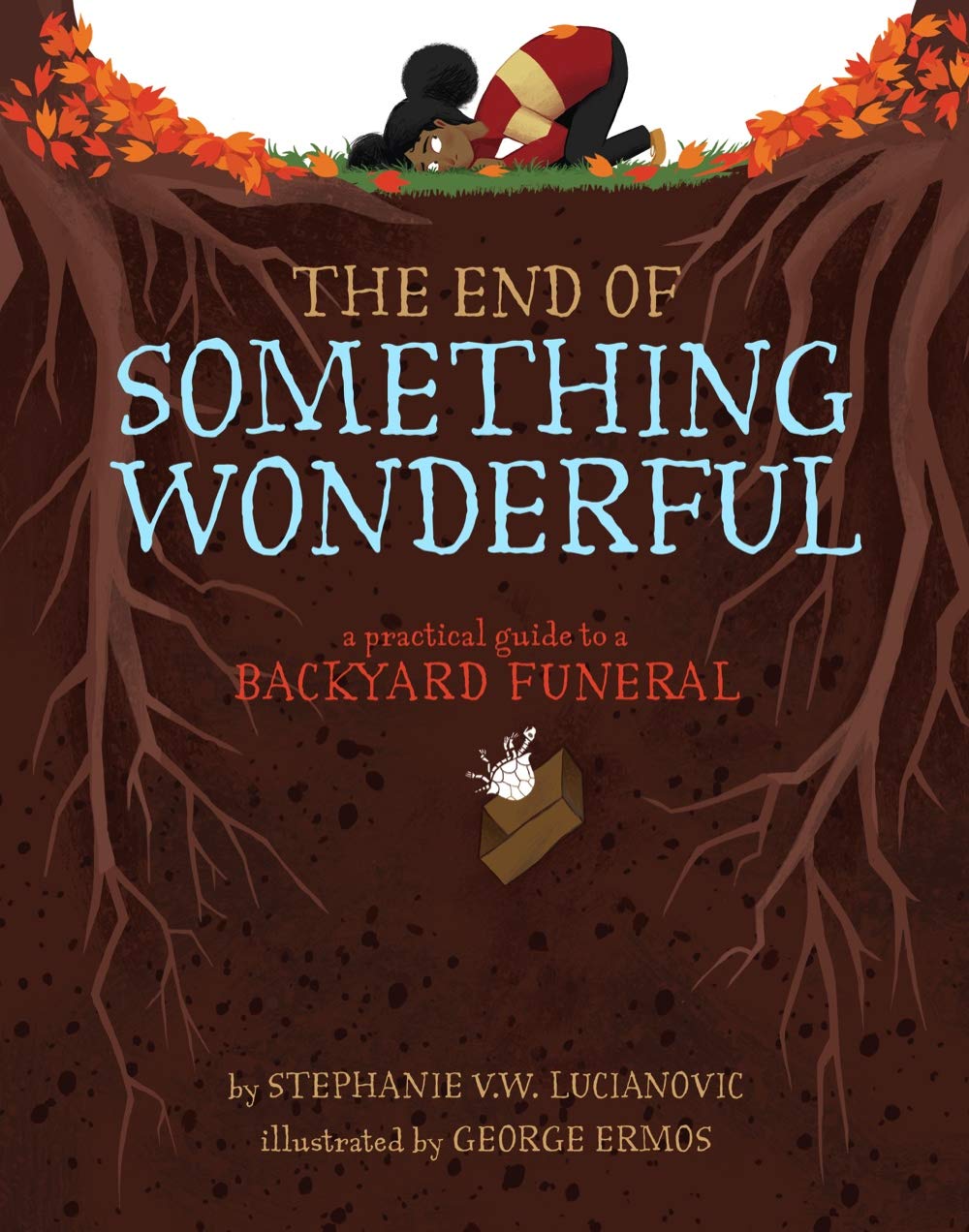
Publisher's description: Children love their pets very much—and when the animals die, that loss can be hard to process. The End of Something Wonderful helps kids handle their feelings when they’re hurting and can’t find all the right words. In a warm, understanding, sometimes funny way, it guides children as they plan a backyard funeral to say goodbye, from choosing a box and a burial spot to giving a eulogy and wiping away tears.
Divorce
A family separation is a form of loss, and children need support to cope with that loss, even if it is temporary. Remember that as a parent, you won’t be able to protect your child from experiencing grief surrounding a separation. But you can help them cope with and navigate those big feelings when they occur.
Reading stories that talk about divorce can also be helpful. Here are some resources you can use to explain divorce to your child and help them process it. You can also check out Sesame Workshop for content suitable for ages 8 and under.
Age 2–6: Two Homes by Claire Masurel, illustrated by Kady MacDonald Denton
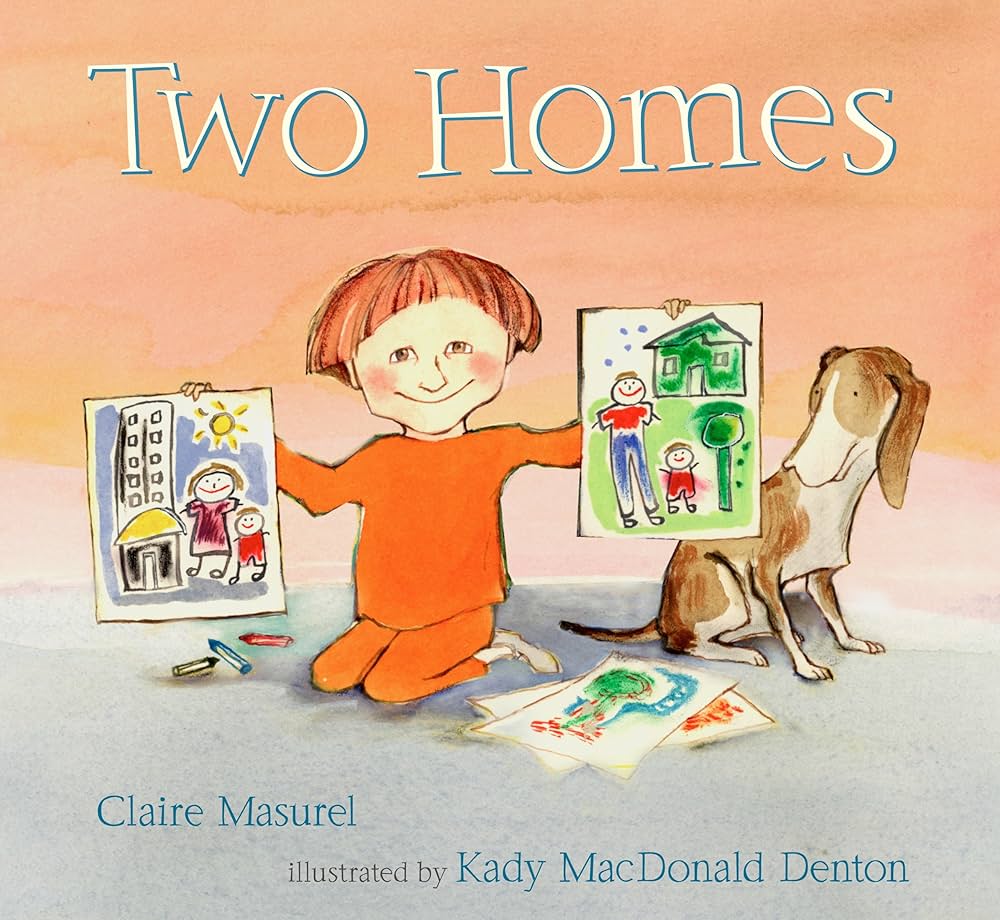
Publisher's description: At Mommy’s house, Alex has a soft chair. At Daddy’s house, Alex has a rocking chair. In each home, Alex also has a special bedroom and lots of friends to play with. But whether Alex is with Mommy or with Daddy, one thing always stays the same — Alex is loved.
The gently reassuring text focuses on what is gained rather than what is lost when parents divorce, while the sensitive illustrations, depicting two unique homes in all their small details, firmly establish Alex’s place in both of them. Two Homes will help children — and parents — embrace even the most difficult of changes with an open and optimistic heart.
Age 3–6: Why Do Families Change? Our First Talk About Separation and Divorce by Dr. Jillian Roberts, illustrated by Cindy Revell
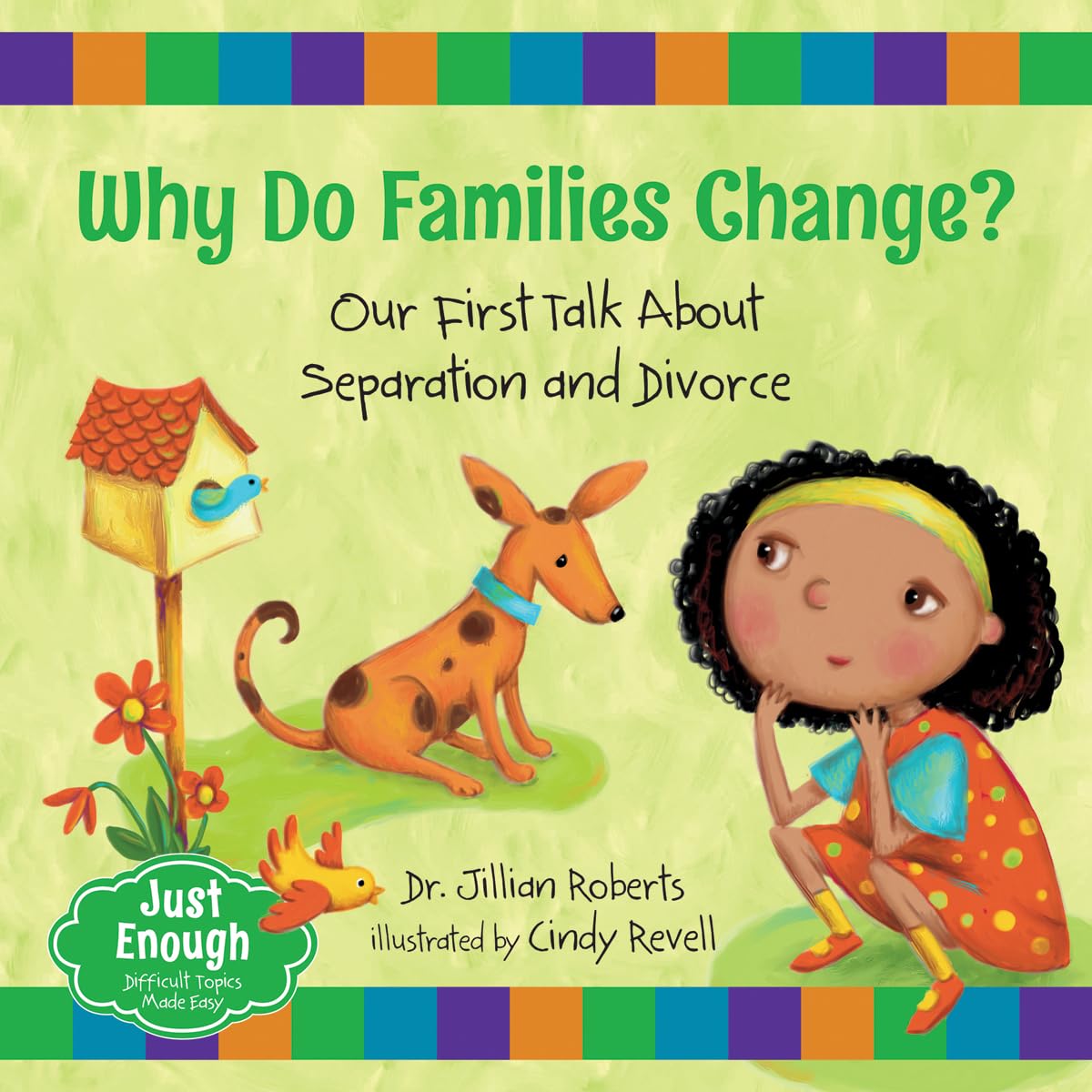
Publisher's description: Separation and divorce are difficult on the entire family.
Often young children blame themselves or are unsure of their place in the family if these events occur. Child psychologist Dr. Jillian Roberts designed the Just Enough series to empower parents/caregivers to start conversations with young ones about difficult or challenging subject matter.
Why Do Families Change? is part of the Just Enough series. Other topics in the series include birth, death and diversity.
Age 4–9: Papa and Pearl: A Tale About Divorce, New Beginnings, and Love That Never Changes by Annette M. Clayton, illustrated by Kimberley Barnes
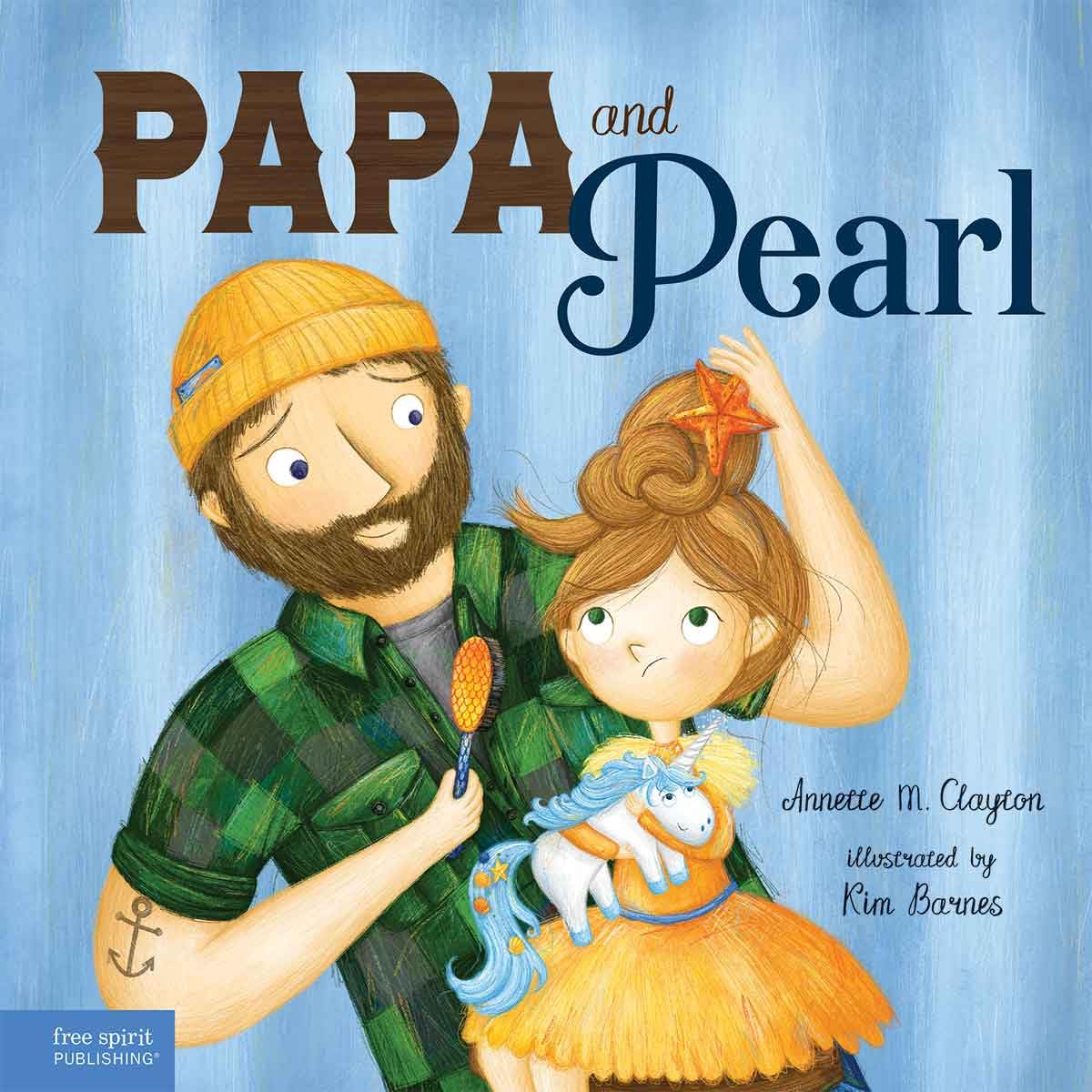
Publisher's description: Papa and Pearl explores a fresh perspective on divorce, focusing on the strength of the father-daughter relationship, not the divorce itself. Imaginative and captivating, Papa and Pearl draw young readers into their world of pirates, princesses, and mermaids, and the love between father and daughter that doesn't change even when other things do.
Incarceration
Losing someone they love to incarceration is a loss that is difficult for children to put into words. Their loved one didn’t die, but the child can’t see them—and, in many cases, can’t interact with them. They may struggle to make sense of the concept that their loved one is alive but living elsewhere.
Reading stories that talk about incarceration can be another way to support your child. Here are some resources that you can use to explain incarceration and help your child process it:
Age 2–7: You Weren’t with Me by Chandra Ghosh Ippen, illustrated by Erich Ippen Jr.
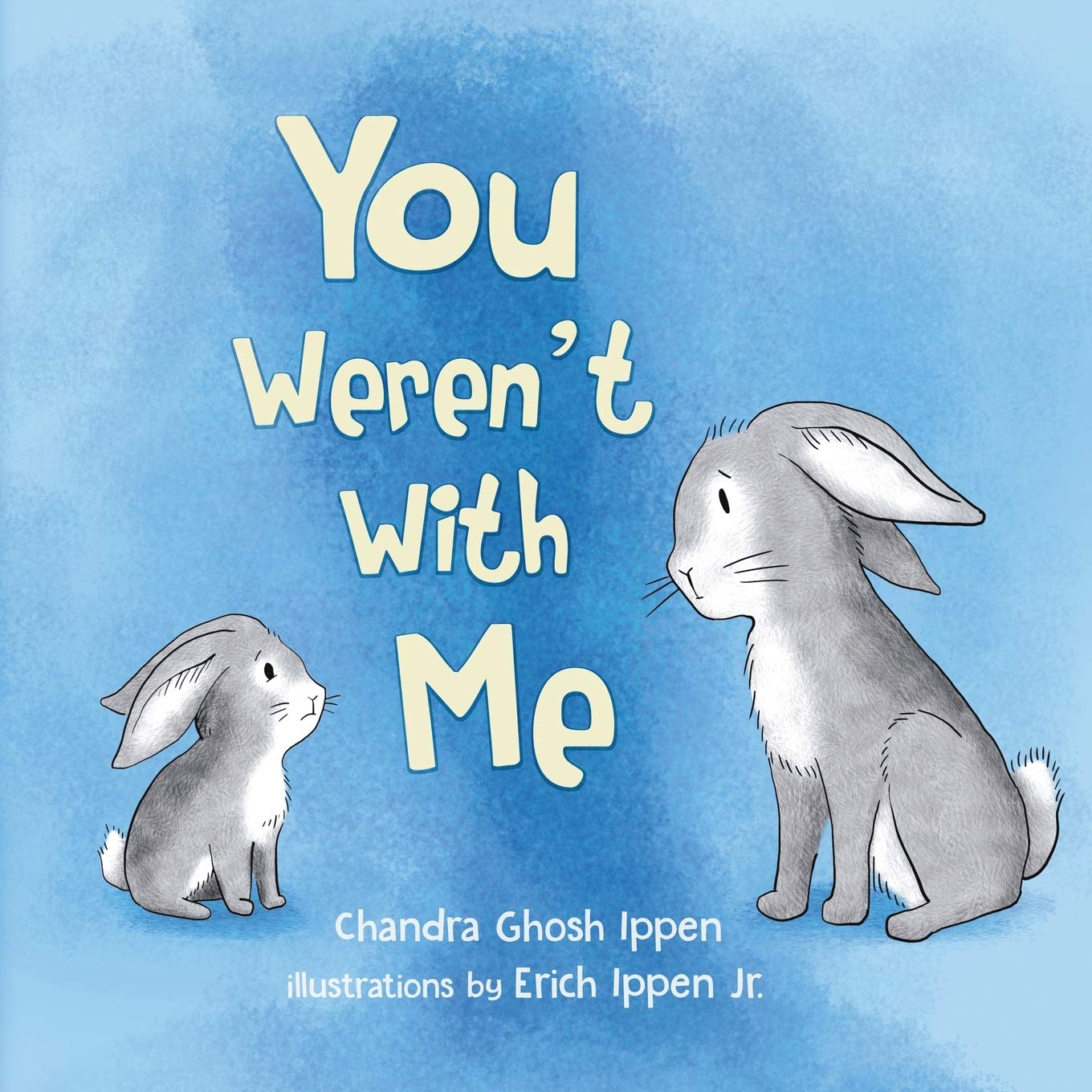
Publisher's description: Little Rabbit and Big Rabbit are together again after a difficult separation, but Little Rabbit is not ready to cuddle up and receive Big Rabbit’s love. Little Rabbit needs Big Rabbit to understand what it felt like when they were apart. “Sometimes I am very mad. I don’t understand why you weren’t with me,” says Little Rabbit, “I worry you will go away again.” Big Rabbit listens carefully and helps Little Rabbit to feel understood and loved.
Age 5–8: Dear Dad, Love Nelson: The Story of One Boy and His Incarcerated Father by Margarett McBride, illustrated by David Wilkerson
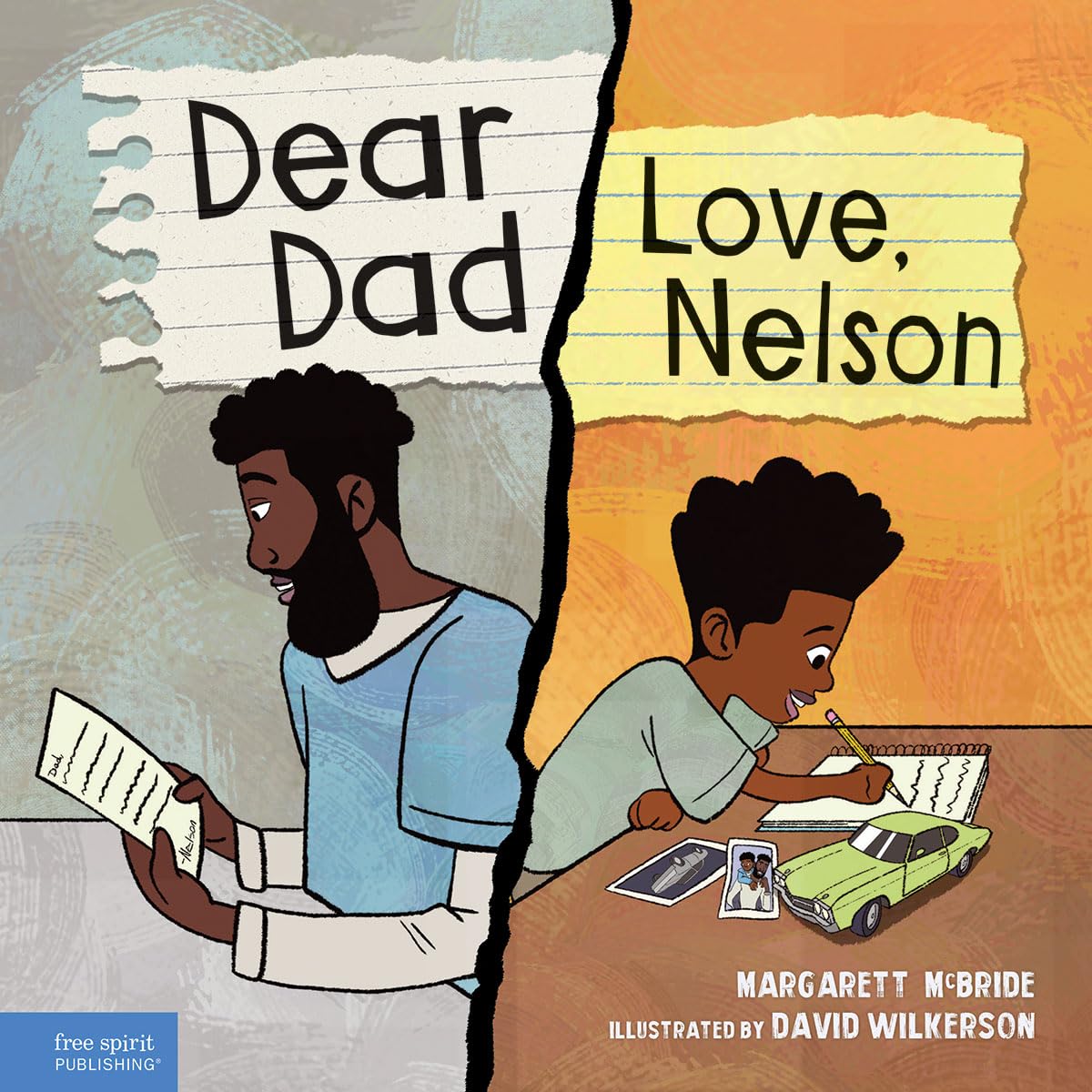
Publisher's description: A boy’s letters to his incarcerated father help them stay connected even while they’re apart.
Dear Dad: Love, Nelson is a glimpse into the life, family, struggles, hopes, and questions of Nelson—and the more than five million other children in the US who have experienced parental incarceration. Told through letters he writes his father, Nelson shares his feelings, thoughts, wishes, and happenings, from the celebrations they've had to the progress Nelson has made on the car they were fixing to how excited he is to have Dad coming home.
A section at the back of the book offers discussion questions for exploring the story and the topic with children, along with more information on guiding children to write letters as a way of staying in touch with an incarcerated loved one.
Age 6–12: A Kids Book About Incarceration by Ethan Thrower
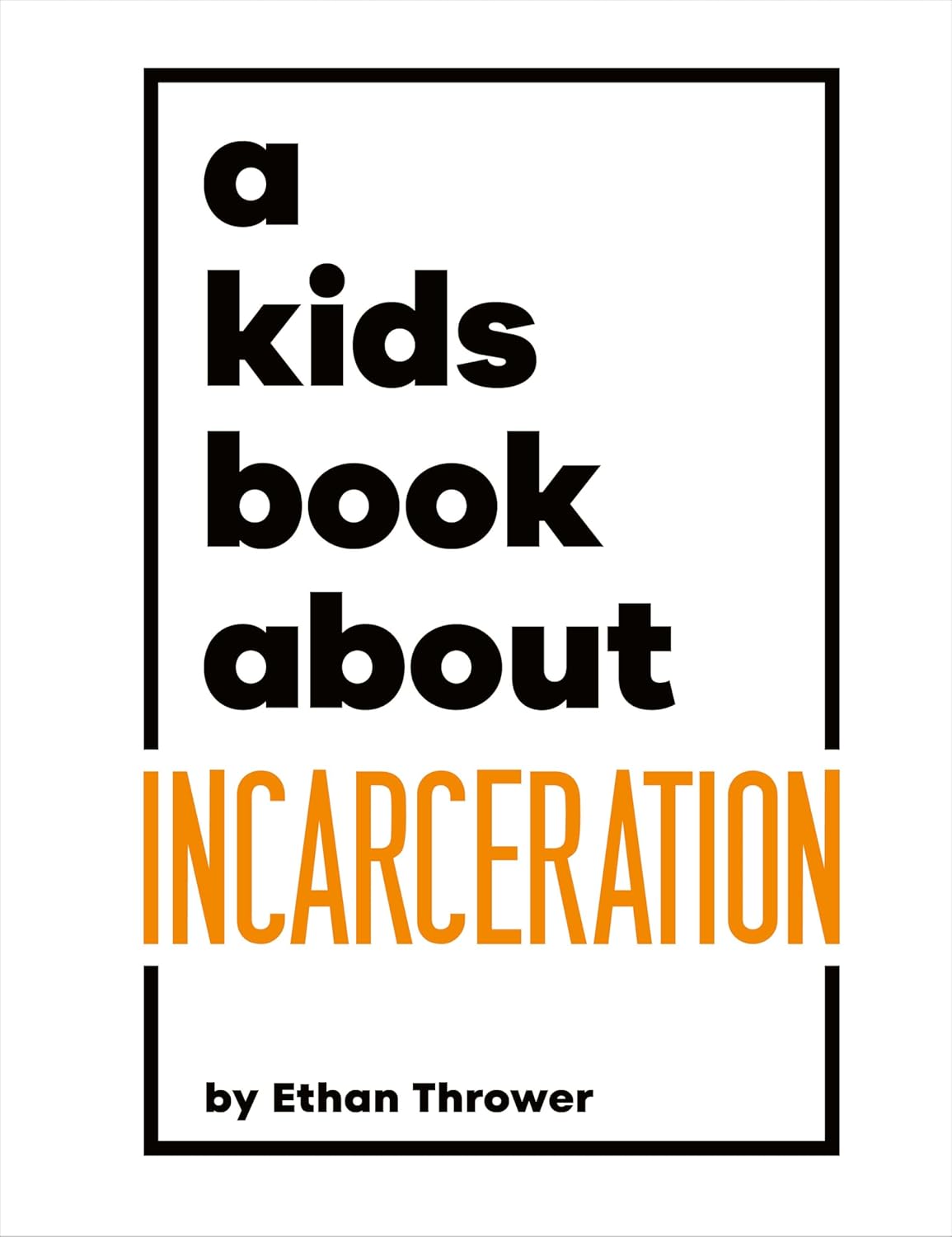
Publisher's description: This book was made to help kids understand what incarceration means. It explores crimes, and prison, as well as the power of choices. The author's story highlights the impact of choices and how someone can grow, learn, and change the path they've been on.
A Kids Book About Incarceration features:
- A large and bold, yet minimalist font design that allows kids freedom to imagine themselves in the words on the pages.
- A friendly, approachable, empowering, and child-appropriate tone throughout.
- An incredible and diverse group of authors in the series who are experts or have first-hand experience of the topic.

Adapted from When Everything Changes by Korie Leigh © 2026. Used with permission of Free Spirit Publishing, an imprint of Teacher Created Materials, Inc., Huntington Beach, CA; 1-800-858-7339; teachercreatedmaterials.com. All rights reserved.
This article contains affiliate links, so we may earn a small commission when you make a purchase through links on our site at no additional cost to you.