What to Know Before You Take Your Baby Camping
It's not as scary as it seems!

Taking a baby camping for the first time is equal parts exciting and nerve-wracking. The good news is that babies are more adaptable than most parents expect, and a first trip does not need to be flawless to be worth doing. It just needs a little preparation, a realistic mindset, and the right gear for the job.
Make sleep feel familiar, not perfect
Sleep is almost always the first worry, and it's a fair one. The goal isn't to recreate your baby's bedroom exactly, but bring enough of the routine that a new space feels familiar.
A travel cot is a practical starting point for younger babies, and pairing it with a few familiar cues can make a real difference. "Initially, we used a travel cot when our baby was very small, and we first started camping with him," says Mark Knight, MEC Director of Product Creation and dad to a four-and-a-half-year-old. "We also added a blackout tent inside our MEC cabin tent to make it easier for him to fall asleep. I also think that having a tent that is large enough to move around, set things up and have room to read books, change a diaper. That's important for success."
Tent size matters more than most people think. A tent where you're tripping over each other is only going to make bedtime harder. Give yourself enough room to do a full bedtime routine, including books, a diaper change, and a few minutes of settling. A sleep sack or gro-bag keeps little ones warm and contained without loose blankets, which is especially useful when the temperature drops overnight. If your baby goes to bed before you do, a small white noise machine can help block out unfamiliar campsite sounds. And if you're in cell range, leaving one phone near the tent while video-calling a second works surprisingly well as a makeshift baby monitor.
Set up a safe, low-stress space
Campsite safety with a baby or young toddler is mostly a matter of close supervision and a little common sense, not a long list of dramatic hazards.
"Our baby was barely crawling when we first took him camping, so he was very easy to keep an eye on," says Kim McGrenere, MEC merchant and mom to an eight-month-old on his first camping trip. "A nice big picnic blanket makes for a great play surface, but honestly, so does grass or sand. The biggest thing to keep an eye on at this age is everything going into the mouth. Watch out for choking-hazard-sized rocks, and otherwise let them explore!"
Dress for bugs, sun and shifting weather
Babies and toddlers can't regulate their body temperature the way adults can, so pack more layers than you think you need and build your sun and bug protection around that.
"Stick-on bug repellent patches (on clothing, not skin) and lightweight layers to cover skin work best," says Kim. "Also, a wide-brim hat that covers the neck helps as well, for both sun and bugs." Covering skin is the gentler option anyway, especially for young babies who are better off with minimal direct exposure to sprays and sunscreen.
If your campsite is near water, children should always be in a properly fitted personal flotation device (PFD) any time they are close to the water's edge. "Babies can't regulate temperature as well as adults," Kim reminds parents. Most camping parents learn this one the hard way, usually around 2 a.m. when the temperature drops and someone is underdressed.
Pack less than you think, but bring the right things
Babies need less than you think at a campsite. The new environment keeps them plenty busy on its own.
"One of the biggest realizations? Babies are easily entertained," says Kim. "There's lots of stuff at camp. The setup itself often becomes entertainment, and the new environment is stimulating on its own. You don't need to pack a bag full of toys. Nature does most of the work."
A few things are genuinely worth bringing. A baby or child carrier keeps hands free for camp tasks and makes it easy to explore trails without juggling a stroller. A small baby camp chair with a tray is useful for meals and downtime, and lets your baby sit alongside the group anywhere. Bring familiar feeding gear too, usual utensils, containers, bibs. The small stuff adds up when everything else is new. Zip-top bags are also worth throwing in by the handful: useful for sealing dirty clothes, storing used diapers when a bin isn't nearby, and a dozen other small problems that come up over a weekend.
Bedtime doesn't have to be a battle out there, either. "We always bring a mini headlamp for our son and his own gro-bag or sleeping bag," says Mark. "If you make the sleeping experience fun for them, they look forward to going to bed!"
Pick the easiest possible first campsite
For a first trip, make it easy on yourself. That means car camping, close to home, with a low-stakes backup plan if things go sideways.
If you forgot something or the wheels come off, being close to home means you can actually do something about it. Going with another family helps too; you can share the childcare load and actually get a few minutes to yourselves when you need it.
If you're setting up a tent for the first time, do a trial run in the backyard before you go. Figuring out a new tent at the campsite with a tired baby is not the move.
Prep a few skills before you go
The less you're figuring out at the campsite, the better. Practice with the camp stove at home before the trip, and make sure you can set up your tent without pulling out the instructions. Pack a basic first-aid kit with baby-safe essentials: a fever reducer, thermometer, and any medications your child takes regularly.
"Being practiced at setting up camp, cooking outdoors. That will give you the confidence to camp with a young child," says Mark. "Being prepared can also help reduce any stress when things go off track."
Try to stick loosely to your baby's usual nap and feeding rhythm, too. You won't get it exactly right, and that's fine. Routine still matters, even when everything else is new.
One last thing
Nobody's first camping trip with a baby goes perfectly. That's kind of the point.
"Expect things to go off-plan," says Kim. "It's not failure, just part of the experience. The goal is to get outside, try something new as a family and create early meaningful experiences."
Camping with baby must-haves
MEC Cabin 2.0 4-Person Tent
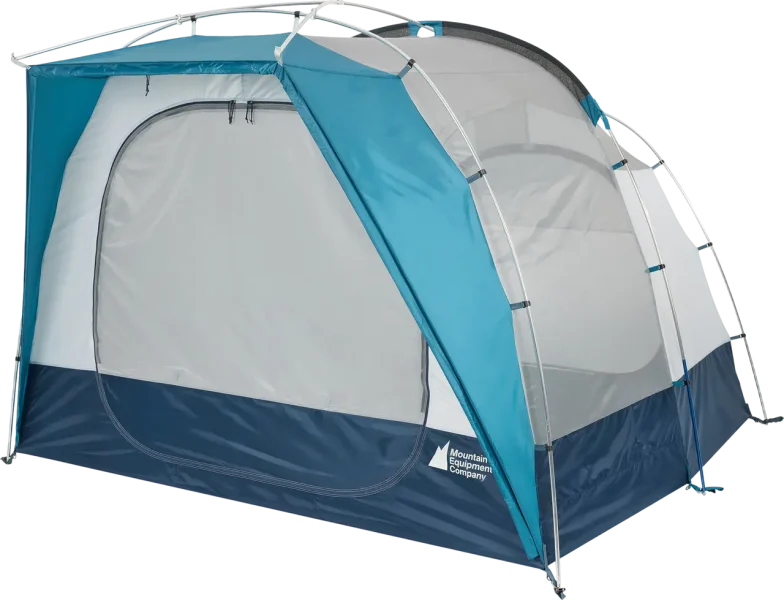
A roomy family tent that gives you enough space for bedtime routines, diaper changes and moving around without feeling cramped.
Osprey Poco SLT Child Carrier
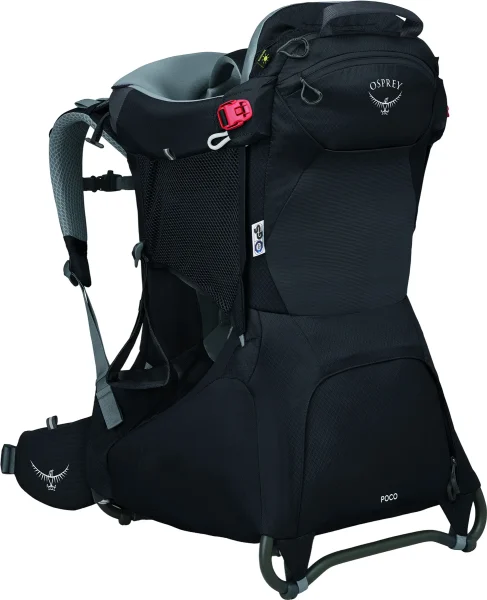
A hands-free way to carry your child around camp or on short trails when a stroller is more hassle than help.
Black Diamond Deploy 325 Headlamp
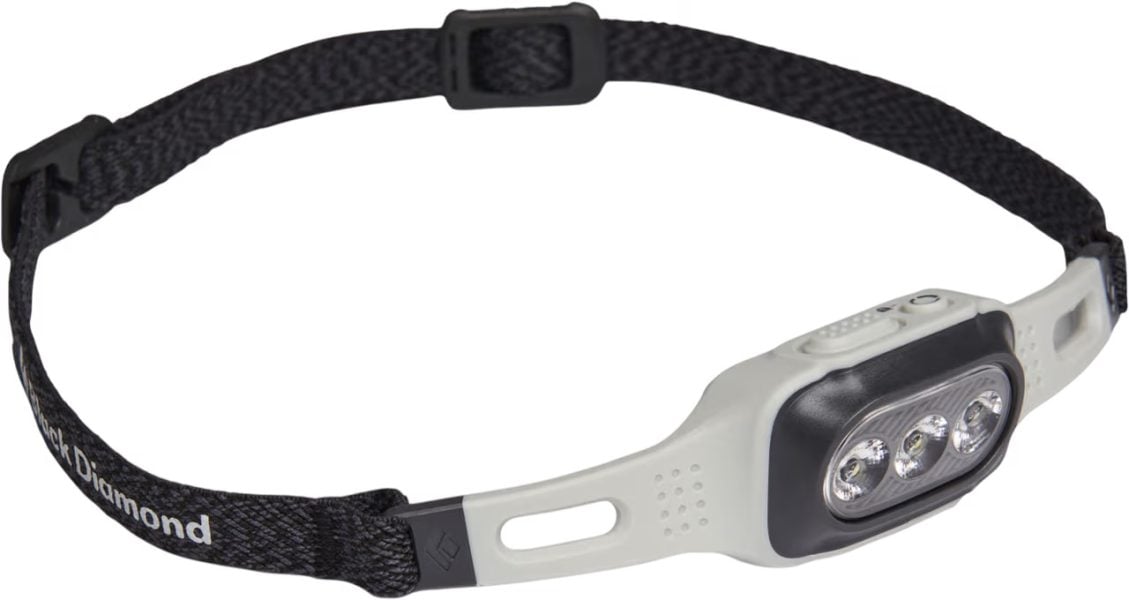
A small headlamp that makes nighttime diaper changes, tent setup and after-dark walks much easier.
Level Six Stingray PFD
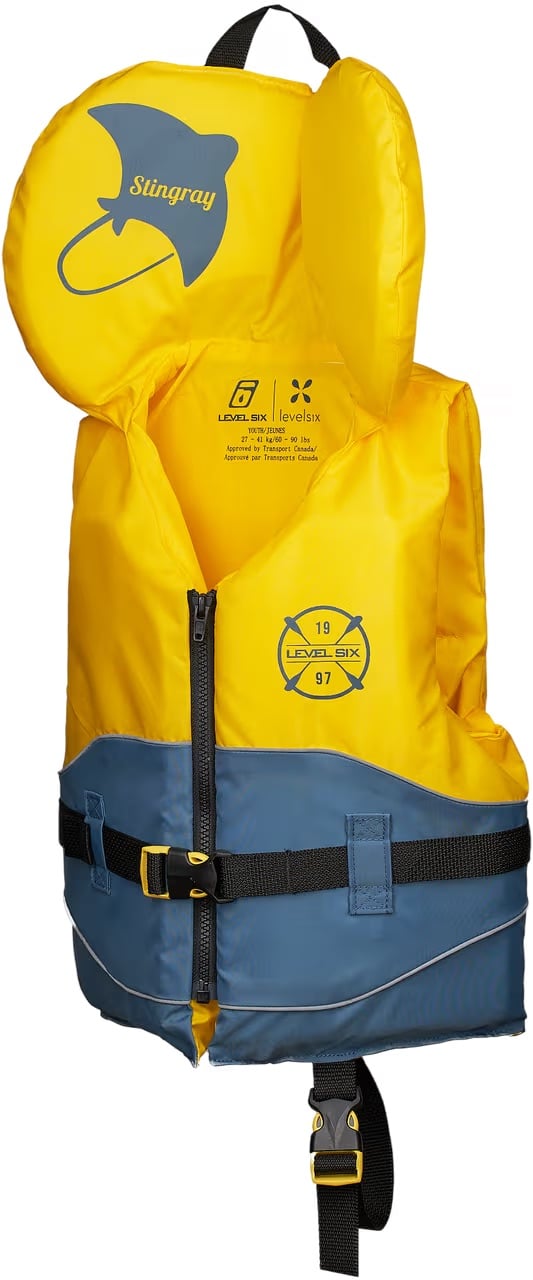
A properly fitted life jacket for babies and young kids who will be anywhere near the water.
Experts
Mark Knight is the Director of Product Creation at MEC and a father of one. He took his son on his first camping trip at age one and has been refining the family camping routine ever since.
Kim McGrenere is a merchant at MEC and a first-time camping mom. She took her eight-month-old son on his first trip this past summer.
This article contains affiliate links, so we may earn a small commission when you make a purchase through links on our site at no additional cost to you.

Gurpreet Virdi-Bains is a Toronto-based mom of two, wife, lifestyle creator, registered social worker, and founder of Aura Kids and The Gratitude Company. Through her writing and digital content, she shares honest conversations about motherhood and wellness, with a mission to help parents raise grounded, mindful kids in a modern world.